Table Of Content
The dumbest thing you can do is buy an expensive set of monitor speakers and then place them on your desk. I see this in home recording studios all of the time. It only came out this year but SSL has been in professional recording studios for decades and their mixers are among the best in the world. Desktop interfaces are ideal for home recording studios because lets face it, most people have a desk lol. What most people don’t have is a studio rack desk or floor 19″ rack cabinet.
Thoughts on NAMM 2016 – RecordingStudio.com’s Debut!
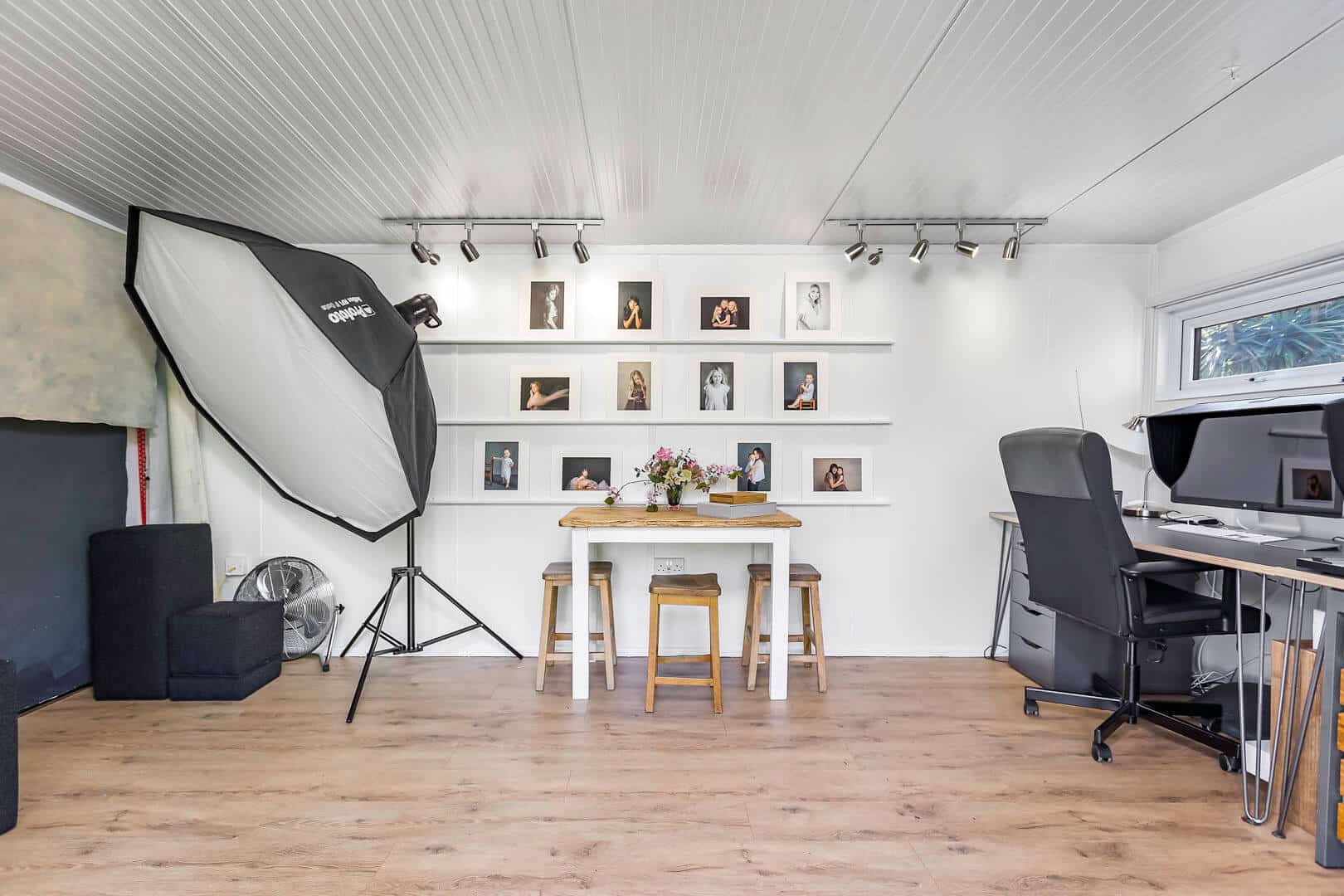
With that in mind, I put together this page to showcase over 300 unique home recording studios to help inspire your own. You can use the filters below to narrow down by the number of computer monitors in the studio, room color, desk color, and instruments featured in the space. I hope it helps you with your own studio, or at the very least, is interesting to see other people’s setups.
Most Famous Recording Studios in LA (Ever Built)
Soundproof is referred to as isolation and is about stopping sound coming in and out of the studio. Acoustics is about stopping sound bouncing around the inside of the studio (reverb). For example, when you speak or sing in the bathroom, that echo is reverb. For recording vocals and mixing, you want minimal reverb.
How to Make a Home Recording Studio – The Ultimate Guide
Remember to consider essential accessories and maintain your studio over time to ensure it continues to serve your evolving needs. With dedication, persistence, and a passion for music, you’ll be well on your way to making your home studio dreams a reality. Place your desk and computer in a location that allows easy access to your gear and a comfortable working position.
As I previously mentioned, audio interfaces come in all sorts of connection configurations. Well, the answer is dependent upon the connections available on your computer. Two of the most common interface connections are USB and Thunderbolt, but within these two formats there are multiple protocols (e.g. USB 2.0, USB 3.0, Thunderbolt 2.0, Thunderbolt 3.0). It is very important to know the specs and limitations of your computer hardware BEFORE you purchase your audio interface.
You can’t really go wrong with any of these and they’ll be better than your interface preamps. You can fix both of these issues by filling the stands with sand. Just be careful to make sure any cracks or holes are sealed or you’ll have a mess.
This is especially true of small rooms, because there’s less room for the sound to dissipate. You’ve probably seen egg-crate acoustic foam absorbers. Obviously, absorbers can look strange in the home environment. But there are creative ways to cover them, as with this colored fabric applied to a special acoustically absorptive surface. There are also acoustically porous plaster finishes available, which look no different than standard drywall but absorb rather than reflect sound energy.
DIY Studio Desk
I’ve designed spaces for music at all scales, from auditorium halls to private listening rooms, and have learned a few basic sound concepts that can dramatically improve the aural environment of any space. Personally I think 500 Series racks make way more sense for a home recording studio than 19″ racks. It’s holding 2 mic preamps, one headphone preamp, a compressor and a USB audio interface! Instead it takes up a small space on the desk and puts them easily in reach. Also, it has a handle on the side and you can easily pick up the whole chassis and take it with you to another studio.
Overall, he did a decent job on the layout and lighting. It has a great vibe and has a lot of really expensive gear but there is no acoustic treatment or soundproofing. Given that he has an expensive SSL Mixer and all the tools needed to mix, the acoustics and soundproofing are a problem for both mixing and recording. Home recording studios are usually just used by one artist and often only contain the equipment needed to record that one artist.
These Acoustic Wall Panels Make Any Room a Quiet Place to Work or Relax - Rolling Stone
These Acoustic Wall Panels Make Any Room a Quiet Place to Work or Relax.
Posted: Wed, 10 Jan 2024 08:00:00 GMT [source]
Two DI/Hi-Z inputs instead of one and instead of one headphone output it has two. So it’s quite literally twice the amount of inputs and outputs. What’s interesting about this one is that it has inserts so you can completely bypass the internal mic preamp circuit which is better for using external preamps. All the other interfaces require using ADAT to completely bypass the preamp circuit which requires an ADAT converter. The Apollo Twin X is the perfect interface if you want a small footprint and don’t need many inputs.

These preamps are clean, Solid State preamps so if you want more of a warm sound, you should look elsewhere. The Audient ASP880 uses the same preamps found in Audient desks and you can bypass the preamps completely by connecting external preamps to the inserts. It has ADAT optical in and out, Word Clock and it comes with more inputs if you get the 48 option or higher. The 24 has the same number of analogue inputs as the Apogee Duet but gives you 8 extra digital inputs and 8 extra digital outputs.

To get a similar setup with Eucon and Avid gear, you’d be paying more than 3x as much. Presonus has it’s own desks which are ideal for Studio One as they run in Native mode and have deep control for Studio One. Studio One doesn’t support Eucon so their own brand control surfaces are the best option. To summarize, the reality is, most artists don’t know how to mix, don’t want to learn and probably don’t need a control surface. For those it is of course nice to have but not necessary.
A digital audio workstation (DAW) is the primary software you use to record and produce music on your computer. There are many different DAWs on the market, such as Pro Tools, FL Studio, Ableton Live, Cubase, Logic Pro, Reaper, and Bitwig. Some thrive at tracking and editing audio, like Pro Tools, while others are geared towards beat production and arrangement, like FL Studio or Ableton Live. Last, take note of the size and layout of the room you want to turn into a studio. If you use a lot of outboard gear and have space, a rack cart might be important. If the acoustics of your room are wonky (weird angles, reflective surfaces like tile), you may opt to forego monitors altogether in favor of great headphones.




No comments:
Post a Comment